VFX Lab
Particle Study - 2026
An ongoing lab recreating Unity VFX Graph effects in Three.js: the Sun and Sun Movement presets, fire and blue flame, space fields, carpet flame, circle red rays, and a three dimensional plasma study, plus two original presets that grew out of the process.
The pipeline runs GPU simulation with instanced velocity-stretched quads, offscreen accumulation with temporal feedback, and blur and compositing passes, trading particle count for structure and memory.
Role: Particle Systems, Shader Development, Render Pipeline
Stack: Three.js, WebGL, GLSL, GPU Particles, Render Targets
A Unity study, reinterpreted for the browser.
The source material is Dilmer Valecillos' Unity VFX particle study, built on VFX Graph with HDR accumulation and deep particle budgets. The lab asks how far a WebGL system can go toward the same visual language with a fraction of the particles.
The answer is not a port. Every preset had to be rethought around what the browser pipeline does well: accumulation, feedback, and choreography that survives being visible.
Flames rebuilt from production research.
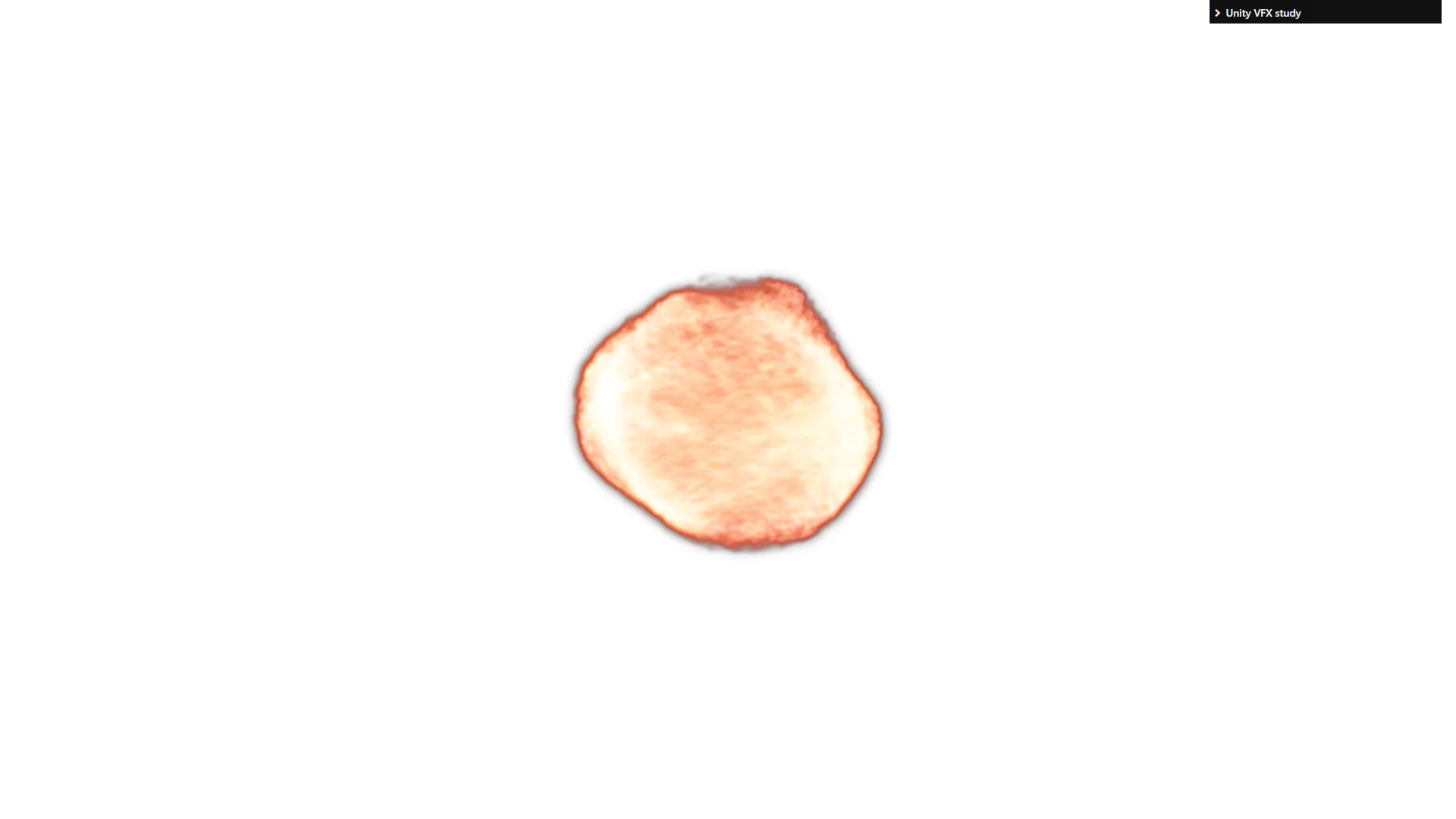
The fire and blue flame presets went through two research-driven passes: structural flame spines with tapering profiles and volume-sampled particles after Lamorlette and Foster, then temperature-based color, soot density, and forward-scattering glow after Pegoraro and Parker.
The result reads stylized, sometimes closer to alien fire than natural fire, but the quality comes from structure and shading rather than particle count.
Structure against noise.
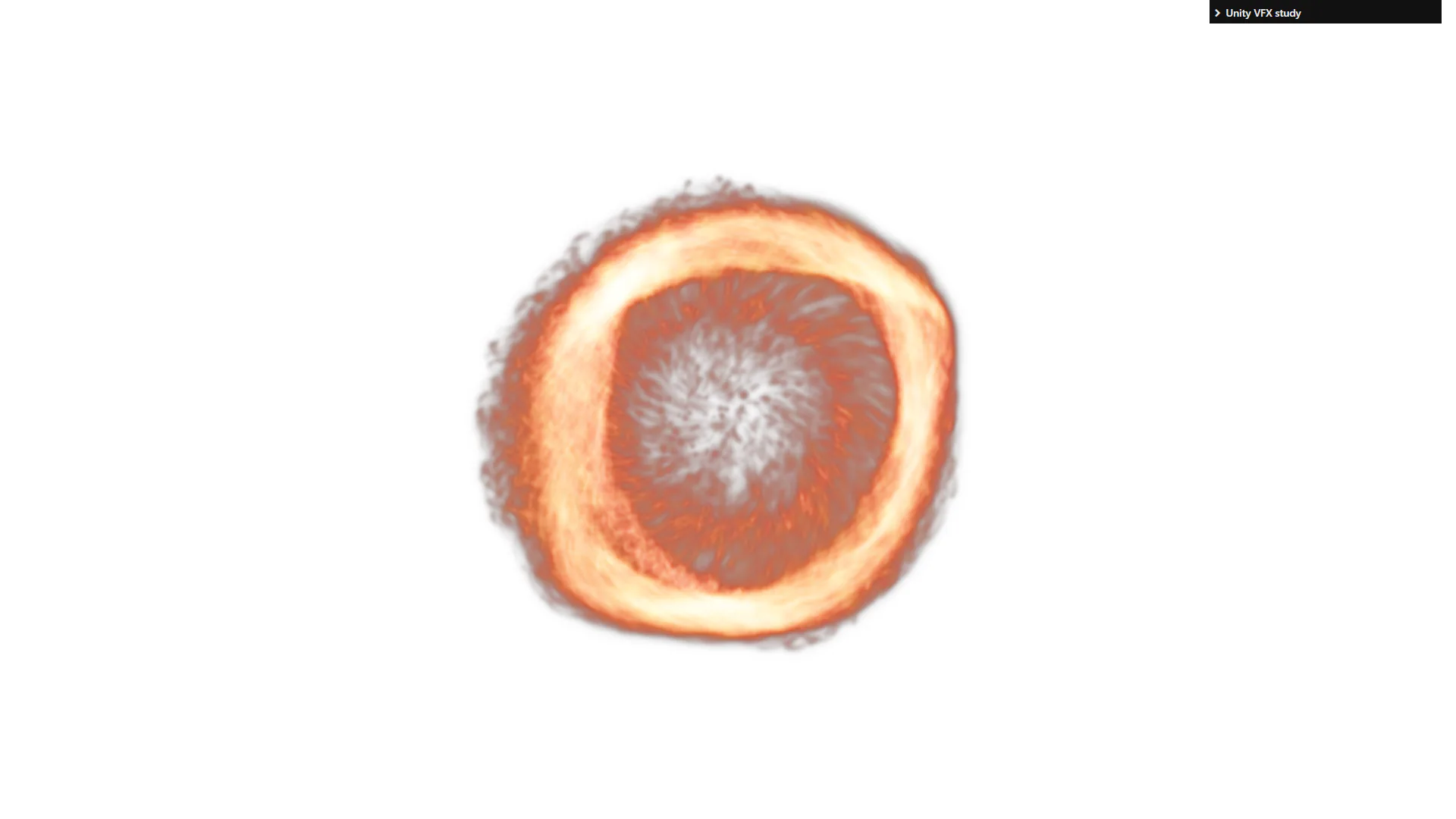
The space preset holds a curved particle field together with orbital force, turbulence, and attraction balanced so the red and cyan regions fold without dispersing. Circle red rays became a pulsing ring with a red core and magenta rim, held together by temporal accumulation.
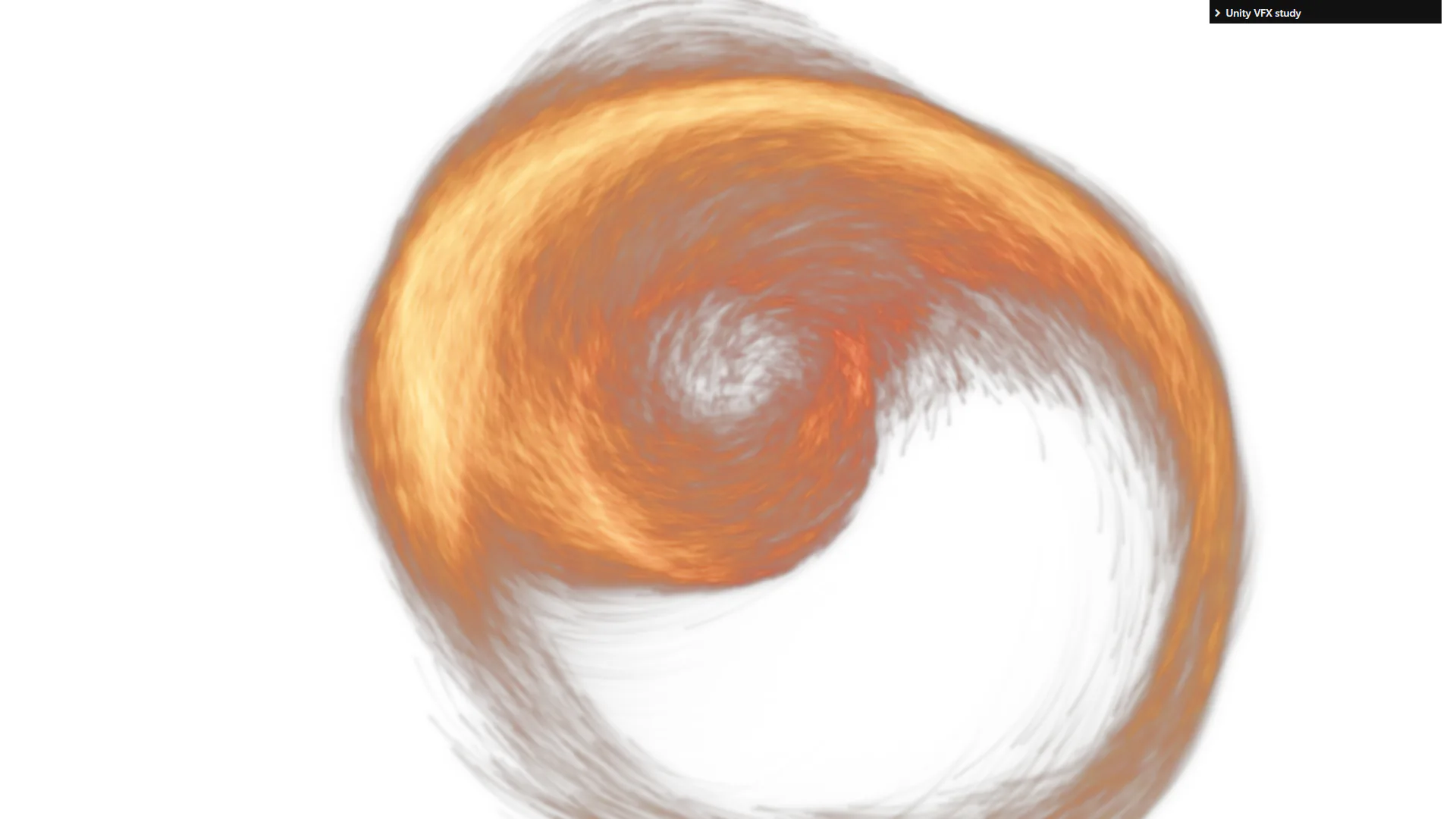
Two original presets, Alien Essence and Dark Plasma Veil, lean into the airy, liquid material the accumulation pipeline naturally produces.
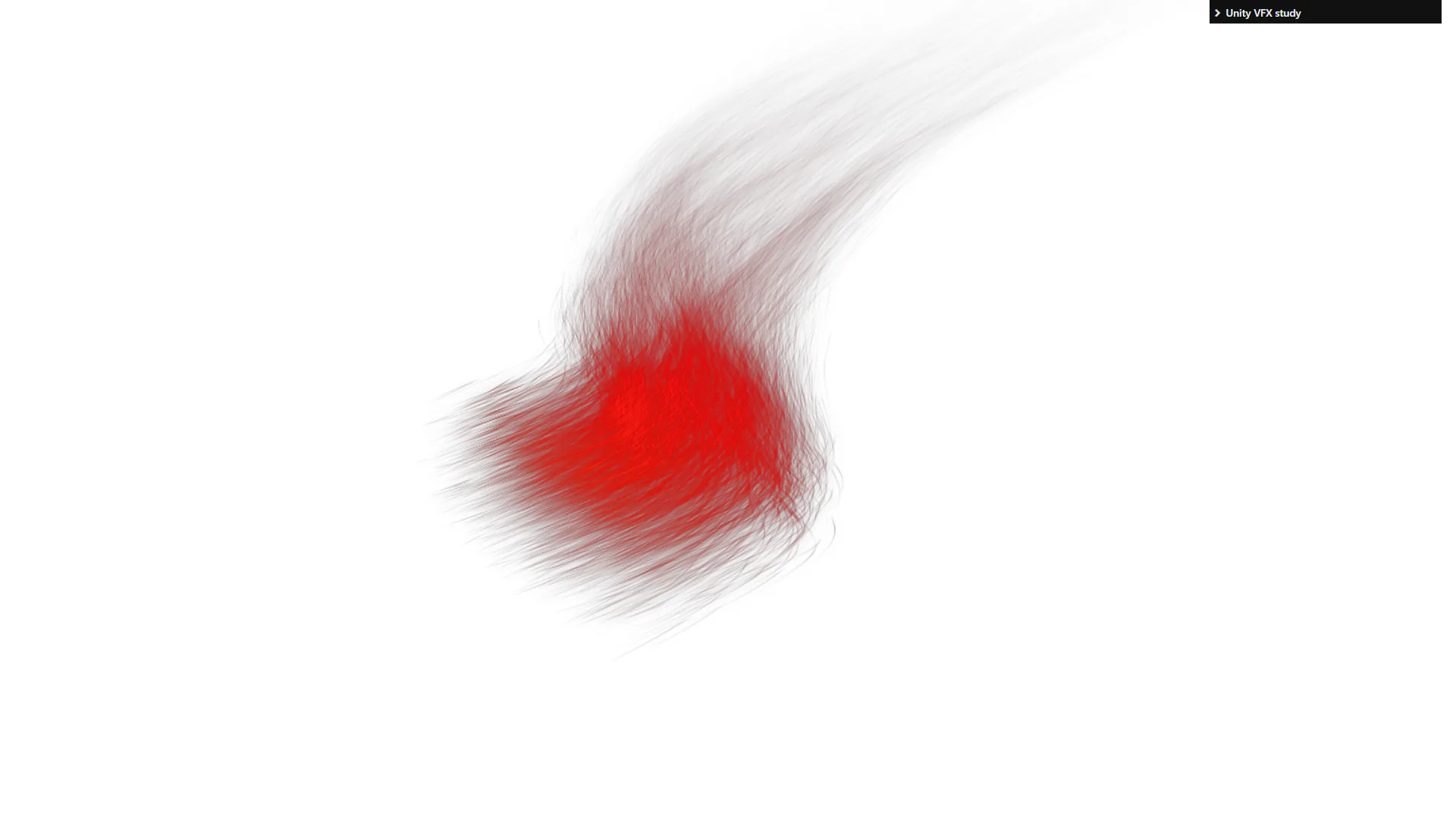
Fewer particles, remembered longer.
Temporal feedback carries energy from one frame into the next, building density and glow without requiring the particle counts available to a desktop VFX pipeline.
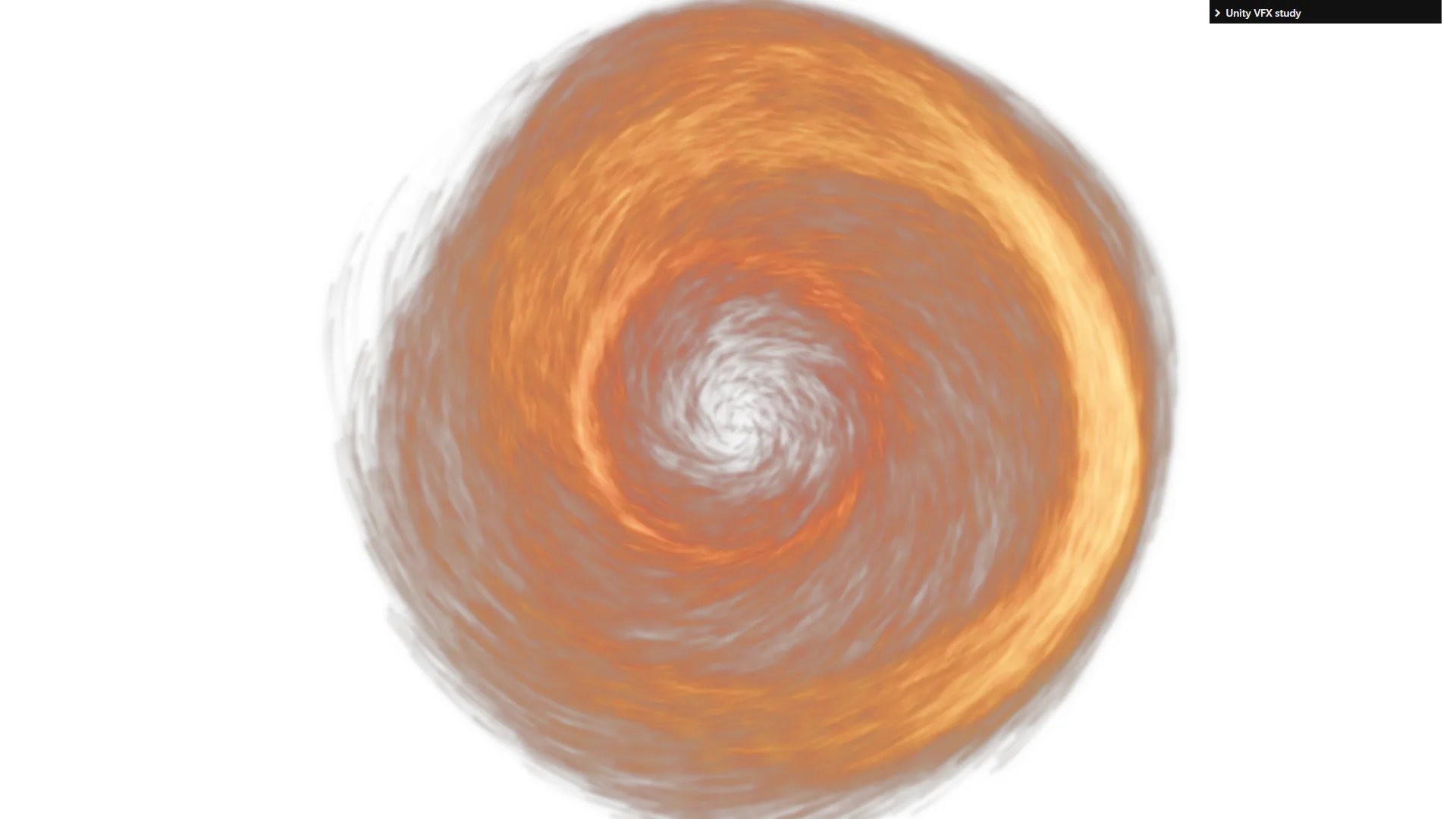
The invisible structure behind the motion.
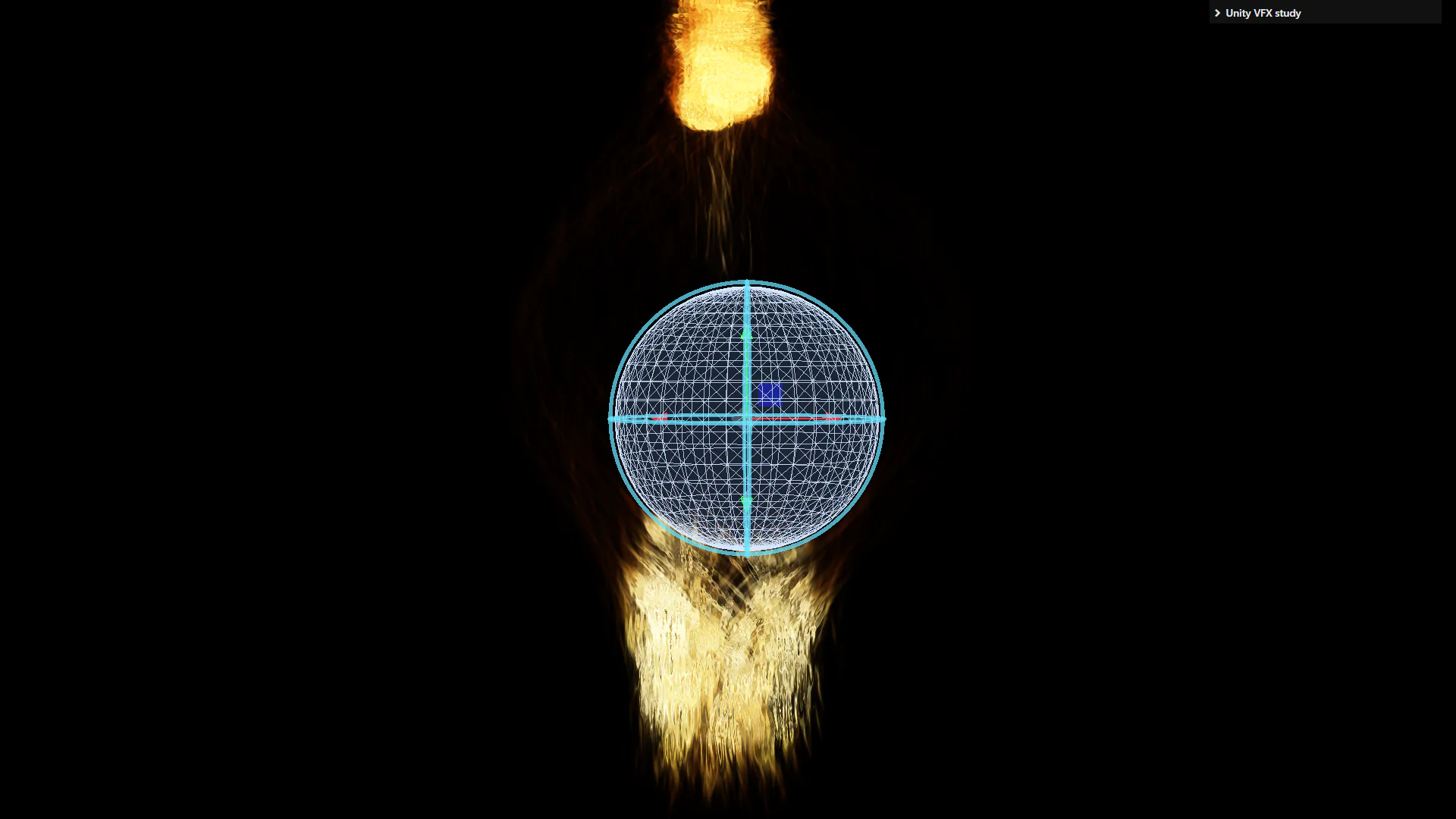
Emitter bounds, direction, and local forces are tuned in dedicated development views before the helpers are removed for the final preset.
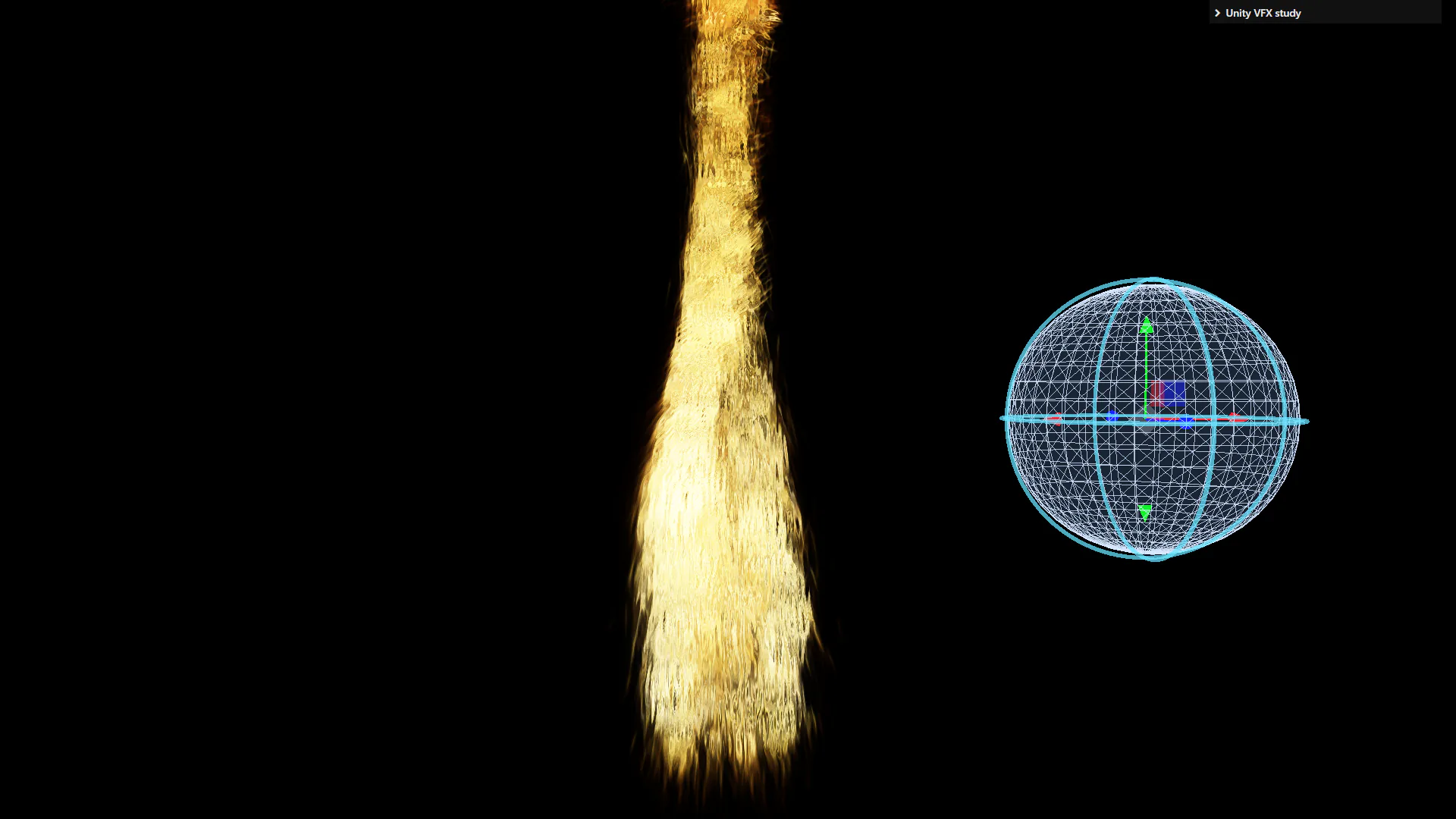
The pipeline behind every preset.
GPU simulation drives instanced soft quads stretched along velocity, rendered into offscreen accumulation buffers with temporal feedback, then blurred and composited with preset-specific color ramps and opacity shaping.
The full write up of all four rounds, including what Unity still does better, is on the blog: the four part particle study article.